Why it’s extraordinary
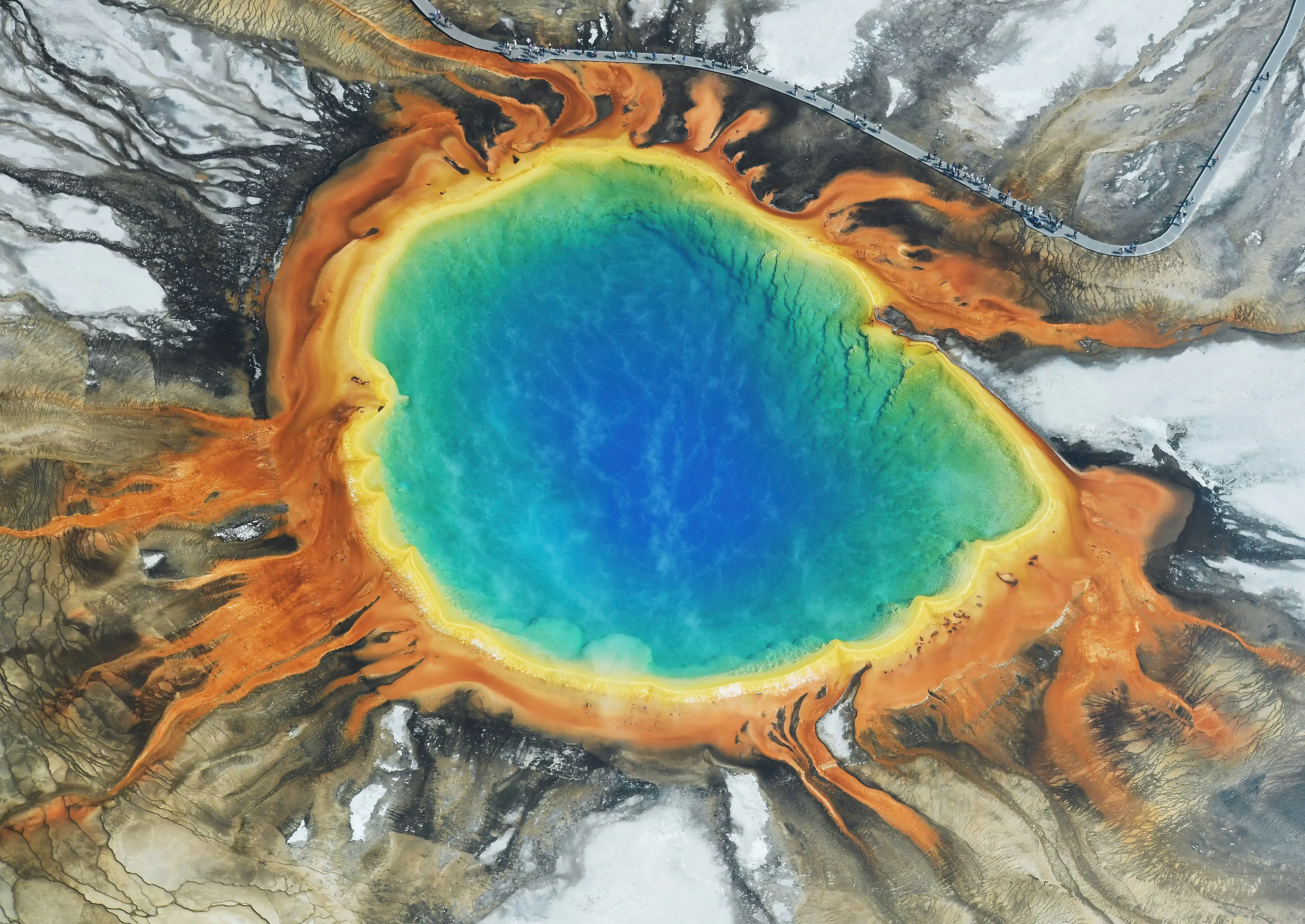
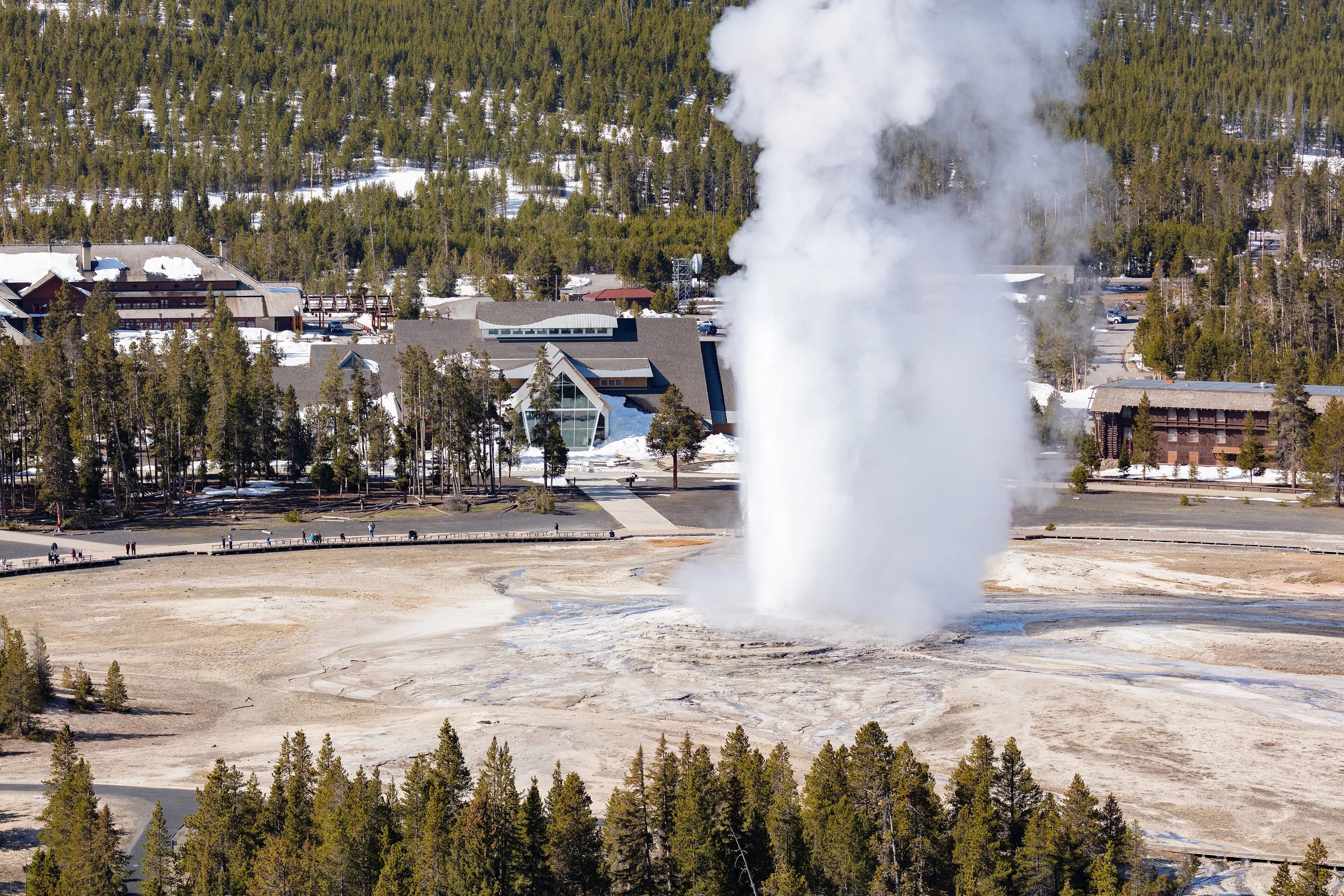
Few places let you watch the planet’s heat reach the surface so openly. UNESCO describes a globally unparalleled concentration of surface geothermal activity: thousands of hot springs, bubbling mudpots and steaming fumaroles, plus more than half of all the active geysers on the planet. All of it lies within what UNESCO calls the largest recognized caldera in the world, a collapsed volcanic basin roughly 45 by 75 kilometres.
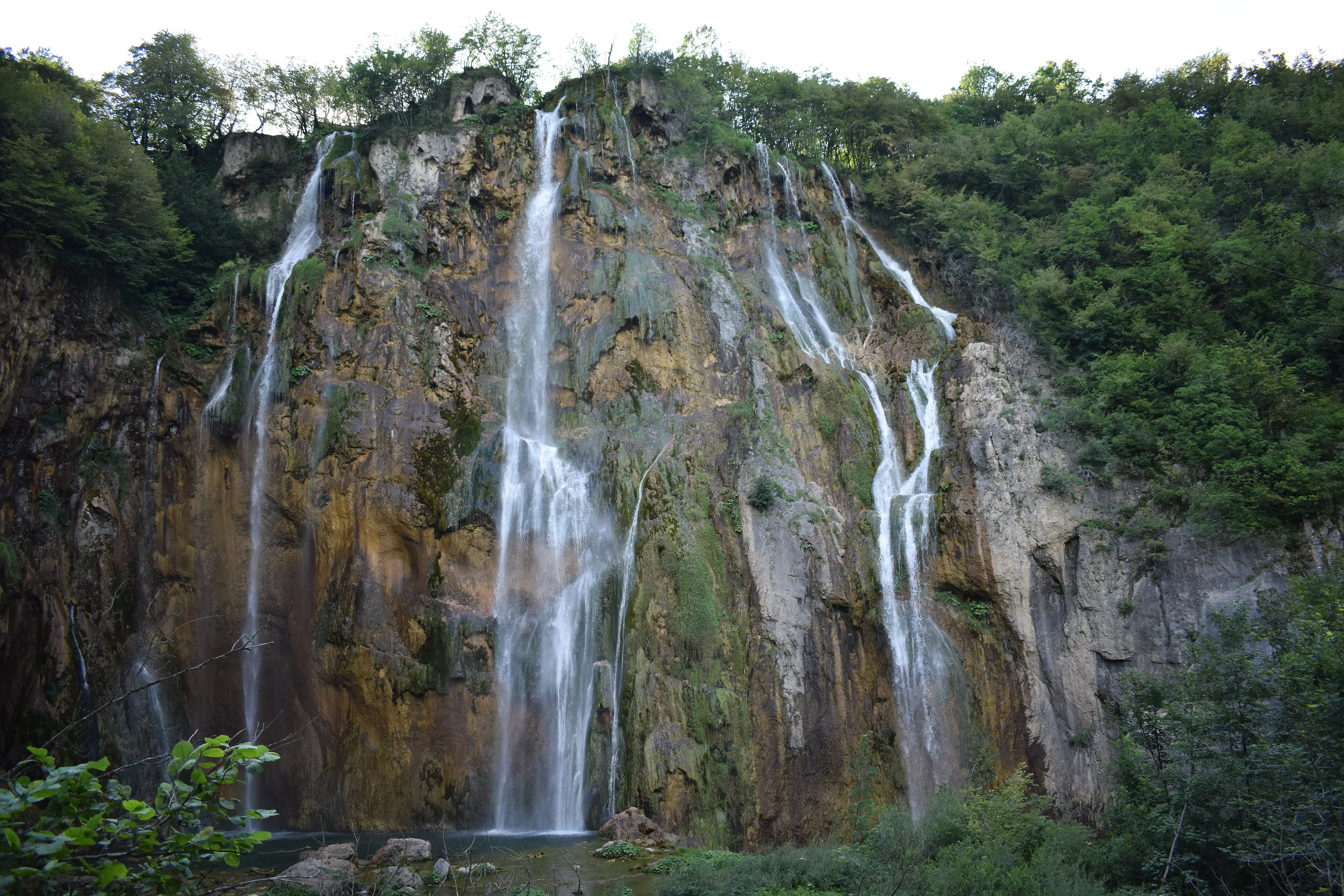
UNESCO also lists the park’s other scenic treasures: the Grand Canyon of the Yellowstone River, numerous waterfalls and great herds of wildlife. Seen from the air, a large hot spring like the one in our hero image looks almost painted onto the valley floor.
An ecosystem left to run itself
Geology is only half of Yellowstone’s World Heritage case. UNESCO lists it as one of the few remaining intact large ecosystems in the northern temperate zone, where plant communities are left to follow natural succession and lightning fires are often allowed to burn. The park’s bison are singled out as the only wild herd that has roamed continuously since the days when bison covered the Great Plains. Grizzly bears here are among the most intensively studied bear populations in the world.
Time in stone
The park also preserves a much older chapter. Nearly 150 species of fossil plants — from ferns and rushes to large Sequoia — have been identified in Yellowstone’s fossil deposits, a reminder that this high, cold plateau once supported very different forests.
Water, rock and the view from the canyon
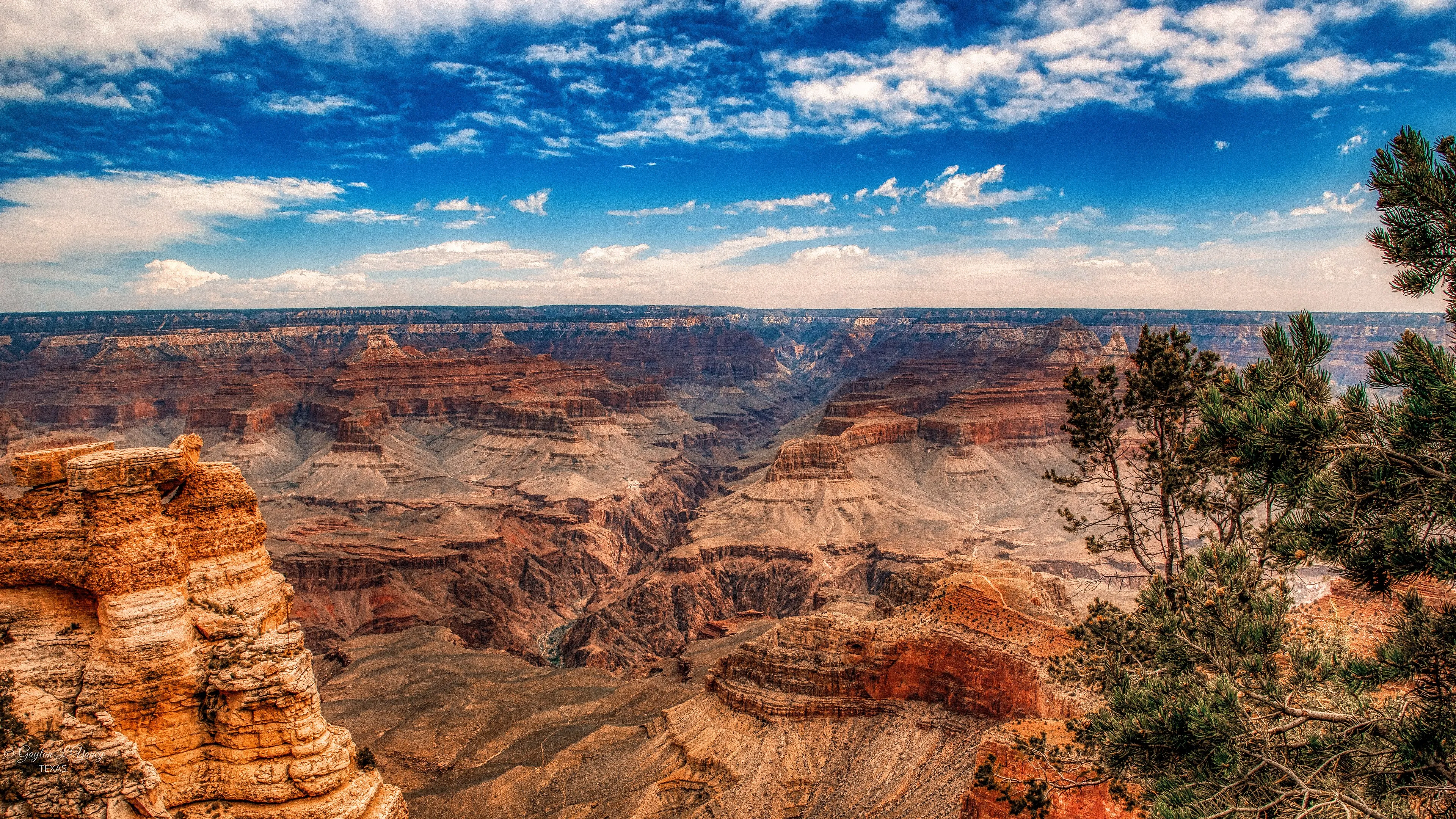
Not everything here steams. UNESCO lists the Grand Canyon of the Yellowstone River and the park’s many waterfalls among its exceptional scenery, and it describes Yellowstone as one of North America’s foremost refuges for rare plant and animal species. It is a park that rewards slowing down: the same day can take in boiling springs, deep canyon views and herds grazing in open valleys.
Planning notes
Yellowstone is very much a seasonal park. According to the National Park Service, only a few facilities stay open year-round, and services are limited from early November through late April. Road conditions can change quickly, so check the official road status before you drive. Stay on boardwalks in thermal areas and keep well back from wildlife. We don’t list entrance fees here; check the official park website before you go.
Verified practical notes
- Road conditions: Road statuses can change quickly with the weather and restrictions may apply — check the park’s road status page before setting out (U.S. National Park Service, checked 2026-10-16)
When to go
- Main season vs winter: Few facilities are open year-round, and services are limited from early November through late April (U.S. National Park Service)
- Facility dates: Lodging, campground and visitor-centre dates are set each year by the park and its concessioners; the NPS operating-hours page lists the current ones (U.S. National Park Service)
Share this place
Sources
- UNESCO World Heritage Centre — Yellowstone National Park — accessed 2026-10-16
- U.S. National Park Service — Yellowstone operating hours & seasons — accessed 2026-10-16
Last verified 2026-10-16 · Written by WonderAtlas Editors. Original editorial text; no first-hand visit is claimed. How we work.